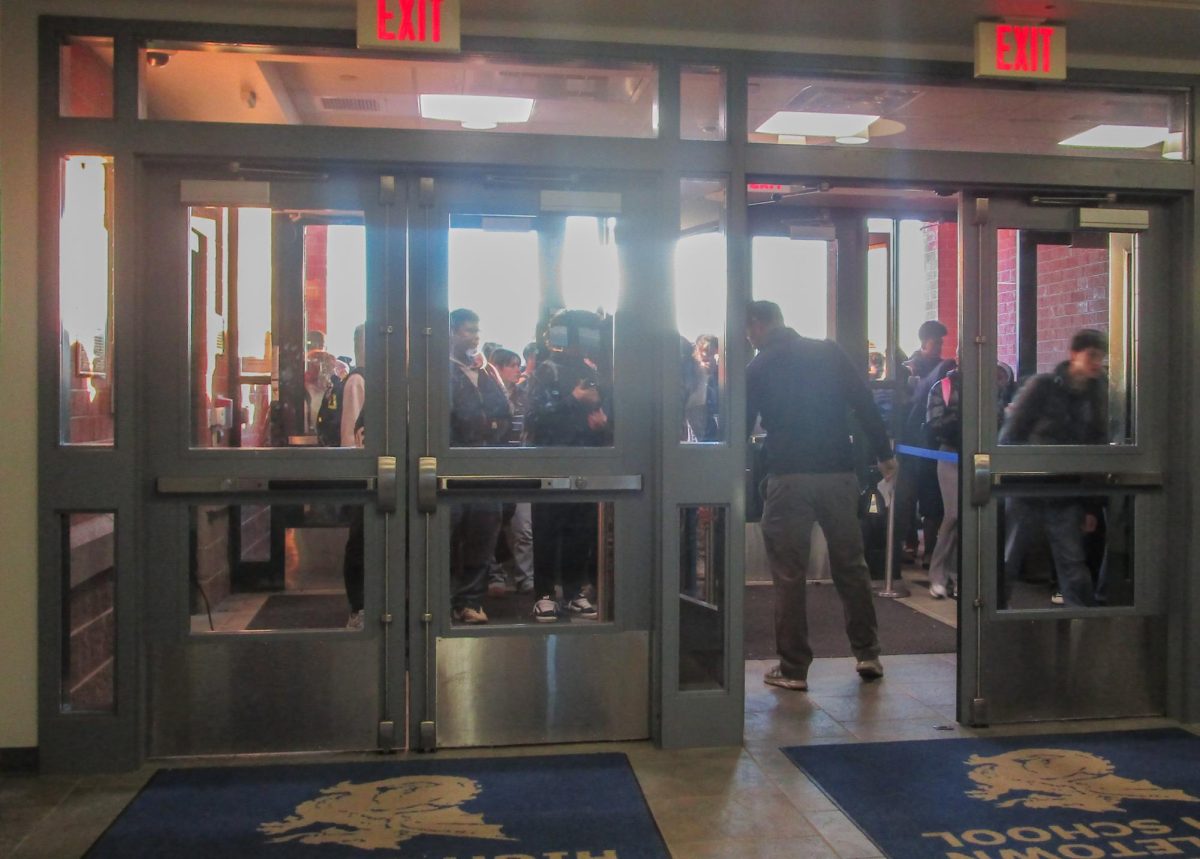






Students returning to school this fall experienced a noticeably stricter school environment than in prior years. Cell phone bans across the school, a new minimum grade of a 40 instead of a 50, and potential credit loss after missing too many classes have all impacted student life in a major way. These policy changes have received mixed reactions from students and faculty across the school.
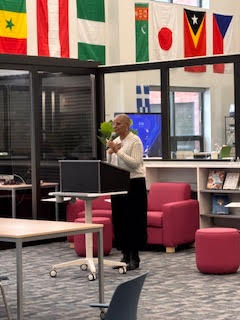
Vice Principal Jason Serra acknowledges feeling uncertainty as the new policies were written. “During the summer when we created them, I was a little bit nervous because I wasn’t sure how students would react, but I’ve been very pleased, you know, with how we’ve raised the bar, and the students have met it.” One of Mr. Serra’s own priorities in introducing the policies, he explains, has been prioritizing transparency with students. Serra feels that has been key to success this year. “Once you explain things to people, I think people are more understanding,” Serra says. “And when you understand something, you’re more likely to do it and abide by it.”
While briefly outlining many of the policies added this school year, Mr. Serra argues that some are aimed at getting students to attend and engage in the classroom. He notes that the credit suspension policy has been introduced to address the issue of students missing the equivalent of a semester or more of class yet still passing. “So we wanted to make sure students understood the importance of being present in class,” Serra explains. “We also lowered the baseline grade from 50 to a 40, so that would not allow for students to just, you know, pass one quarter, and then they could tank the rest and still pass.” Serra notes that these two policies seem to be working, pointing out the increase in students making high honors and honors compared to years past.
Mr. Serra also believes the school administration’s new tactics have been more effective this year when it comes to phone policies. He explains that he thinks the consistency and timing of the changes have made the biggest difference. “We’ve been consistent with it. I think that’s the key… That policy last year was put in right in the middle of the year, if you remember, and that was kind of not good. I think it’s been more effective this year because we started right at the beginning of the school year. So I think students coming in from the summer knew, Okay, they’re not playing this year. It’s a state policy, that helped.”
Students have had mixed reactions to some of the new rules, especially when it comes to the decreased leniency of cell phone policies. Although many understand the general concept of a no-phone policy, some do not agree with the extent of the ban. One student says, “I feel like the phone rule first could be changed. We could maybe allow it during lunch and study hall but besides that, I feel like I can understand their point of view, to keep it so no phones in the classroom.” The same student notes that the administration is definitely enforcing these rules more strongly as the year goes along. Another student is more critical of the investments the school has put into the policies. Despite them saying that they “completely” agree with the phone ban, they feel the district shouldn’t have spent so much money on the Yondr pouches, “because the majority of kids don’t even use them anyway.” They also notice an inconsistency to the current enforcement of the rules, claiming that it “varies completely, or differently around the school.”
Despite any student backlash, Mr. Serra reiterates that he believes these policies will ultimately be beneficial to students, helping them become the best versions of themselves come graduation. Serra explains that attending classes teaches life skills such as responsibility, collaboration, and critical thinking. “These are all things that we are stressing as an administration… when you’re out these doors, you’re ready to go into the real world, and you’re prepared… That’s what we want. So that’s why we put a lot of these policies in place.”