
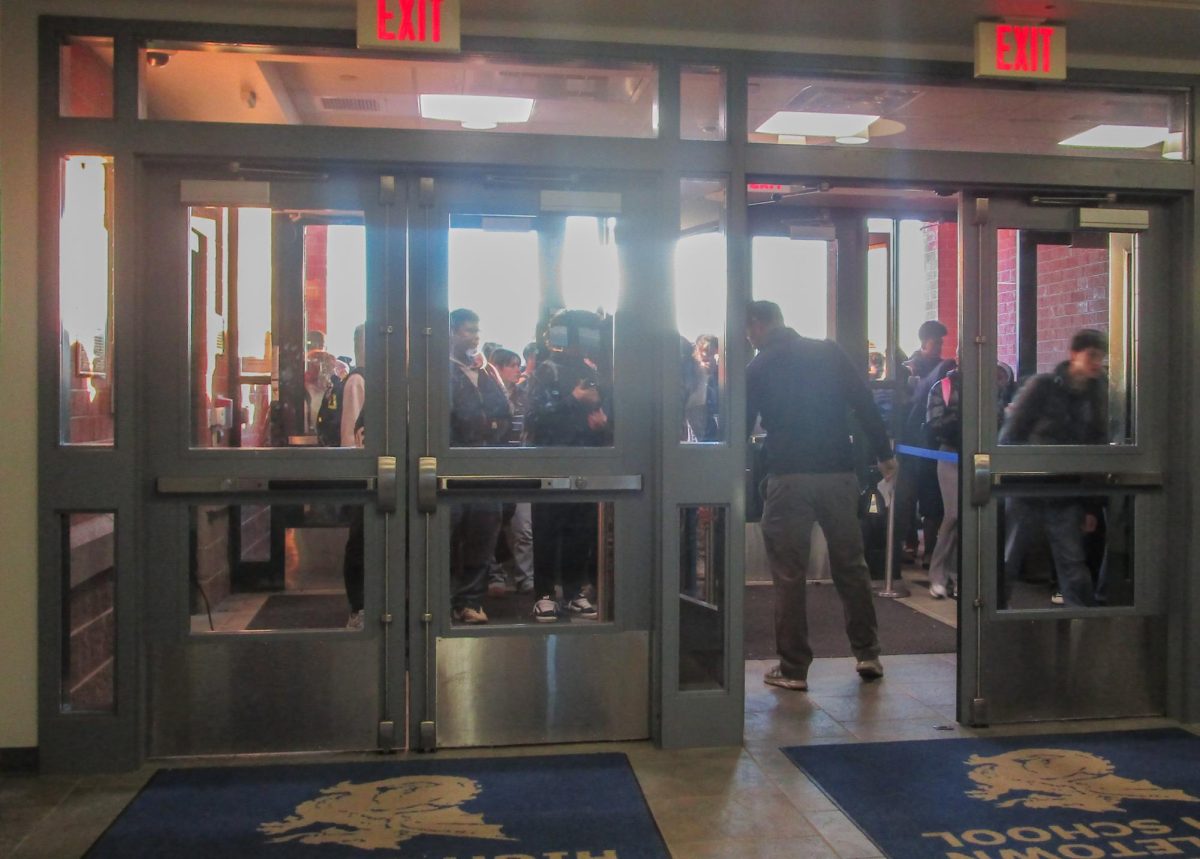







Every morning, hundreds of students stumble into school half-awake running on too much caffeine, and not enough sleep. Now, many things can cause this wave of sleepiness, but the main root of this is that the current school start time works against the biology of teenagers. According to sleep researchers at the American Psychological Association, teenagers naturally fall asleep and wake up later due to their internal clocks shifting during adolescence. Despite this, they’re expected to be active and productive by 7:25 a.m., a time when their brains are still not fully awake.
The issues with such an early start time is more than just a few heavy eyes and drawn-out yawns. Studies have shown that students who have a later start time get more sleep and perform better academically. With a better rested student, they are reported to have lower rates of stress and depression, which can drastically improve performance, such as more emotional depth, higher concentration, and improved memory; these skills help teenagers grow as students, and even as people. Regardless of this, students who don’t receive enough sleep fall victim to sleep deprivation, which is directly linked to a lack of concentration, irritability, and decline in academic productivity. By forcing students to start their days when their brains are still half-asleep, we’re setting them up to underperform before the doors even open.
However, the argument could be made that starting school at a later time would disrupt bus schedules, after-school activities, and the work routine of parents. While these are valid concerns, they are not impossible to solve. Districts that have pushed the start times, such as in California and the University of Minnesota, were able to find solutions, such as reorganizing their transportation schedules to better fit the adjusted timeframe. A later start time also was shown to have benefitted teachers as well, with the APA claiming it has “profoundly changed their lives, allowing them to be a more effective teacher.” These new times have led to very positive results in the districts, such as better attendance, higher grades, and happier, healthier students, and teachers.
Despite the fact that this situation will most likely not be changed, it’s still worth discussing the effects that follow. High school students deserve an education system that supports their well-being, not one that drains them. By starting school even just an hour later, they could improve focus, safety, and overall performance from their students. A later start isn’t just about getting extra sleep, it’s about giving their students the energy and means to reach their fullest potential.